XIAOPAI · Wenzhou Xiaopai Electric Power Technology Co., Ltd. · Zhejiang, China
Every supplier in the power equipment market claims CE compliance, and the paperwork to back the claim arrives in a hundred different shapes. The gap between a claim and a verified one is where procurement risk lives - and closing that gap takes a different set of questions from the ones that fill a quotation. This guide is about verification: what "CE certification" actually is, what an IEC test report is not, and the three checks that separate a real file from a hopeful one. XIAOPAI - Wenzhou Xiaopai Electric Power Technology Co., Ltd. - manufactures transformers and switchgear as the manufacturer and system integrator for the line, and its units ship CE marked with the documentation this discipline examines.1. WHAT "CE CERTIFICATION" ACTUALLY IS
The phrase "CE certification" is itself the first thing to unlearn. For most electrical equipment, CE marking is not issued by an authority at all - it is a declaration by the manufacturer that the product meets the applicable EU legislation, backed by a technical file the manufacturer assembles and keeps. There is no central registry of approved products, and no certificate number to look up for self-declared equipment. The distinction matters because it shifts the burden of proof: with self-declaration, the manufacturer's file is the entire evidence base, and a buyer who never sees the file has verified nothing. The mark on the panel is a statement; the file is the argument behind it. What does exist is a defined set of conditions the declaration must satisfy. Where the relevant directive requires a notified body - for certain equipment categories and conformity routes - the body's involvement changes the picture: the manufacturer's declaration then cites a four-digit identification number, and that number becomes the first thing a buyer can independently check. Knowing which regime applies to the equipment in front of you is therefore the first verification step, not the last.
2. THE TEST REPORT THAT IS NOT A CE FILE
The second common confusion is the test report. A type test report to IEC standards - for a transformer or a switchgear assembly - is evidence of performance: it shows the design passed defined tests under defined conditions. It is valuable, it is often part of the technical file, and it is not the CE mark itself. A supplier can hold complete IEC type test reports and still have an incomplete CE file; equally, a CE file can cite those reports without repeating the tests. The direction of the confusion usually runs the same way: a thick test report feels like the strongest document in the folder, so it gets treated as the compliance proof, while the declaration that actually carries the legal weight goes unread. Reading order should be the reverse - declaration first, evidence second. The same logic separates routine test reports, which are issued per unit against each unit's actual measurement, from the conformity file, which describes the product family. The two answer different questions: the type report says "this design passes these tests"; the routine report says "this unit, the one in the crate, measured this way on this day". A verification file wants both, and the routine report is the one that travels with the specific unit being delivered. When a tender asks for "CE certification", what it should actually be collecting is three distinct things: the declaration of conformity, the standards it cites, and the test evidence behind them. A file missing any of the three is a file that invites questions at the border, in the port, or on site.3. THE THREE CHECKS
Verification then reduces to three concrete actions. First, read the declaration of conformity itself: it must name the manufacturer, the product, the directives applied, the standards cited with their versions, and where applicable the notified body number - a declaration missing the standards versions is a declaration that cannot be checked. Second, confirm the standards are the current editions: harmonised standards are revised on a cycle, and a file citing a withdrawn edition is a file drifting out of date, even when nothing about the product changed. The comparison is mechanical - the declaration lists standard numbers and years, and the list checks against the official citations in minutes - but it catches the most common form of quiet non-compliance, where the product is sound and the paperwork has simply aged. Third, where a notified body is involved, verify the body and its scope in the European Commission's single market compliance system - the database is public, and checking a number takes minutes. Scope matters as much as existence: a body listed for one equipment category is not automatically competent for another, and the declaration should name a body whose notified scope covers what is being supplied. None of the three checks requires a laboratory; they require only that the documents be in front of you. This is also why the "documents to ask for" list matters in the first place: verification is impossible without the paper.4. THE SUPPLIER CONVERSATION
The practical version of all this is a short conversation with the supplier, and it is worth having before the order rather than after. Ask for the declaration of conformity for the actual product, not a sample file for a similar one. Ask which directives and which standards versions it cites. Ask whether a notified body is involved, and if so for its number and scope. Ask what test evidence exists: a type test report for the rating being ordered, and the routine test regime for each unit. For gear that assembles on site from shipped sections, ask how the conformity file handles the assembly - the transformer arrives with its own paperwork, the switchgear with its own, and the project's compliance picture is the sum of the parts. A supplier that answers these four questions in writing, as a matter of routine, tells you more about its compliance culture than any logo on a brochure. The written answer matters for a second reason: it becomes part of the order record, and the file that was promised is the file that gets checked on delivery. Verification, done this way, is not an audit - it is a purchase habit, and it asks nothing but the questions.5. THE UNITS BEHIND THE FILE
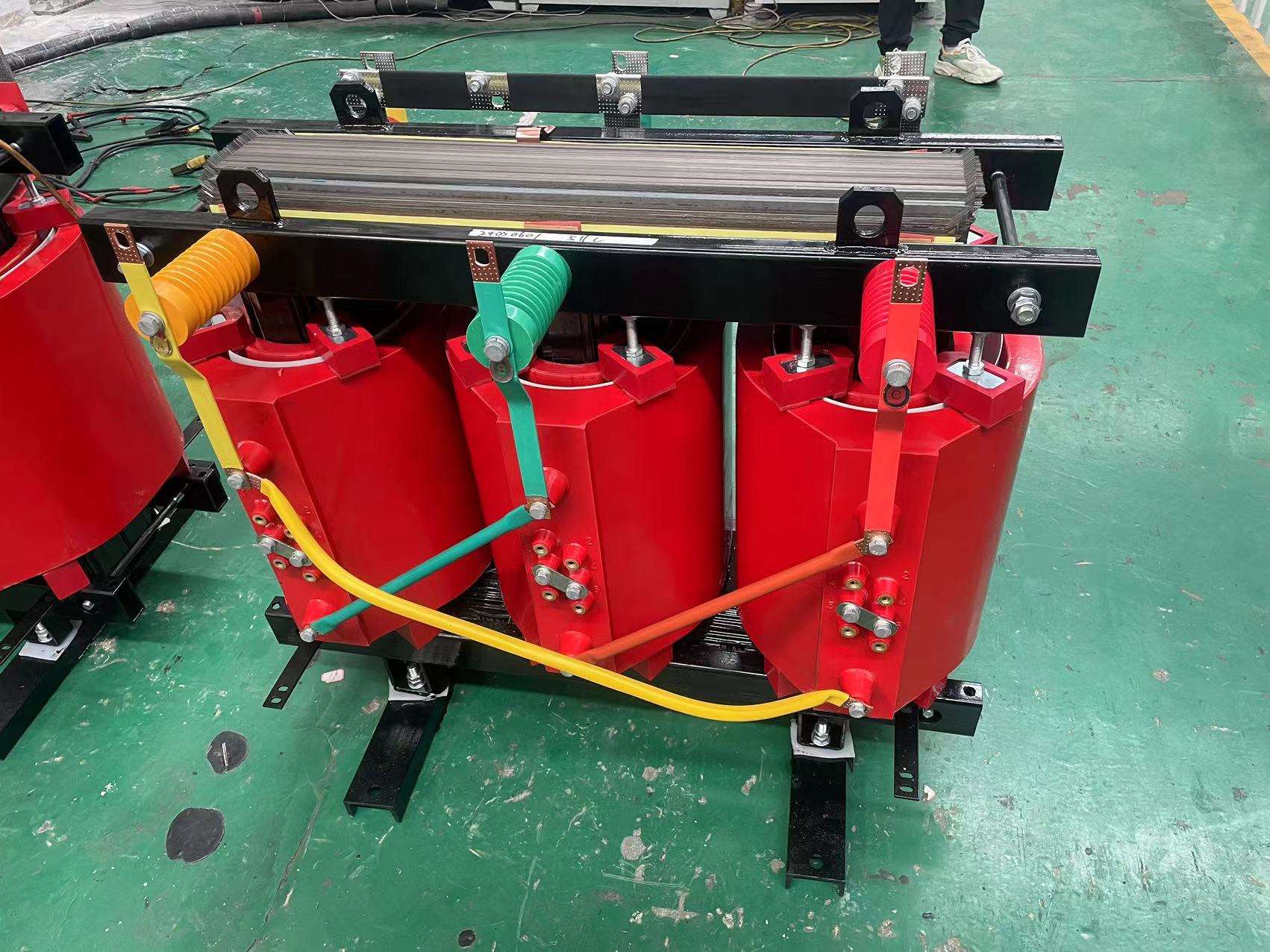
Documentation does not exist in a vacuum; it describes hardware, and the hardware should be visible in the answer. A verification question that ends in "trust us" has failed, and one that ends in a document name, a standard edition and a test report number has succeeded - whatever the size of the order. XIAOPAI manufactures the oil-immersed S9/10/11/13/20/22 transformer range and the SC(B)9/10/11/12/13 dry-type range, with CE marking on the electrical panels, routine test reports issued per unit and type test reports available per model. The oil-immersed transformer page and the high-voltage switchgear page set out the ranges and the quality documentation that travels with them. A verification conversation grounded in specific units - this rating, this assembly, this test report - is the one that produces checkable answers. The European Commission's single market compliance system holds the notified body side of the check; the testing discipline behind the reports is set out in the engineering literature, including testing and commissioning of HV power transformers, circuit breakers, CTs and VTs. Read the file, check the numbers, and the claim becomes a fact you can defend.ONE LINEXIAOPAI - Wenzhou Xiaopai Electric Power Technology Co., Ltd. manufactures oil-immersed and dry-type transformers and switchgear in Wenzhou, Zhejiang, and works with long-established Chinese manufacturers for the flexible-packaging equipment line. Product pages:
oil-immersed transformer ·
high-voltage switchgear.


