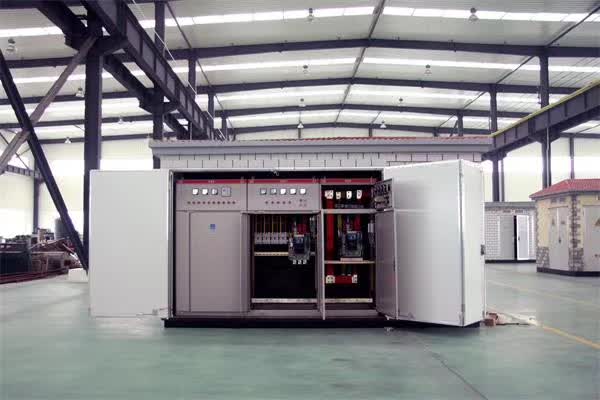
1. THE LOAD PROFILE OF A RURAL FEEDER
A rural feeder carries households, a school, a health post, water pumping, phone charging and one or two productive loads that anchor the daytime - a mill, a workshop, an irrigation set. It takes the medium-voltage line down to the 0.4 kV class and hands the rest to the LV network. For years the transformer on that feeder runs at a fraction of its rating; then a new connection or a new mill adds load in a step rather than a curve. That shape decides more of the specification than the peak figure does. Sized to today's customer list, the unit works close to its limit almost immediately. Sized with growth steps built in, it spends a decade at a light load factor - where a different part of the loss structure takes charge.2. THE TWO LOSSES, AND WHY A LIGHT LOAD READS THEM DIFFERENTLY
Every transformer carries two losses, and they behave differently on a rural feeder. No-load loss - the iron loss - runs whenever the unit is energized, and a distribution transformer is energized essentially every hour of the year. Load loss - the copper loss - follows the square of the load, so on a lightly loaded feeder it stays small. On a rural network the balance tilts toward the no-load side of the ledger in a way an industrial site never shows. The practical consequence is that the loss figures belong in the evaluation, not only in the drawing package. Two designs can answer to the same rating and the same voltage and still behave differently across two decades of low-load-factor operation - which is why utility tenders evaluate losses over the life of the unit rather than accepting whatever the drawing carries. Ask for the loss data of the offered design, keep it with the test file, and hold the order to the numbers that were evaluated.
3. VOLTAGE DROP AND THE TAP QUESTION
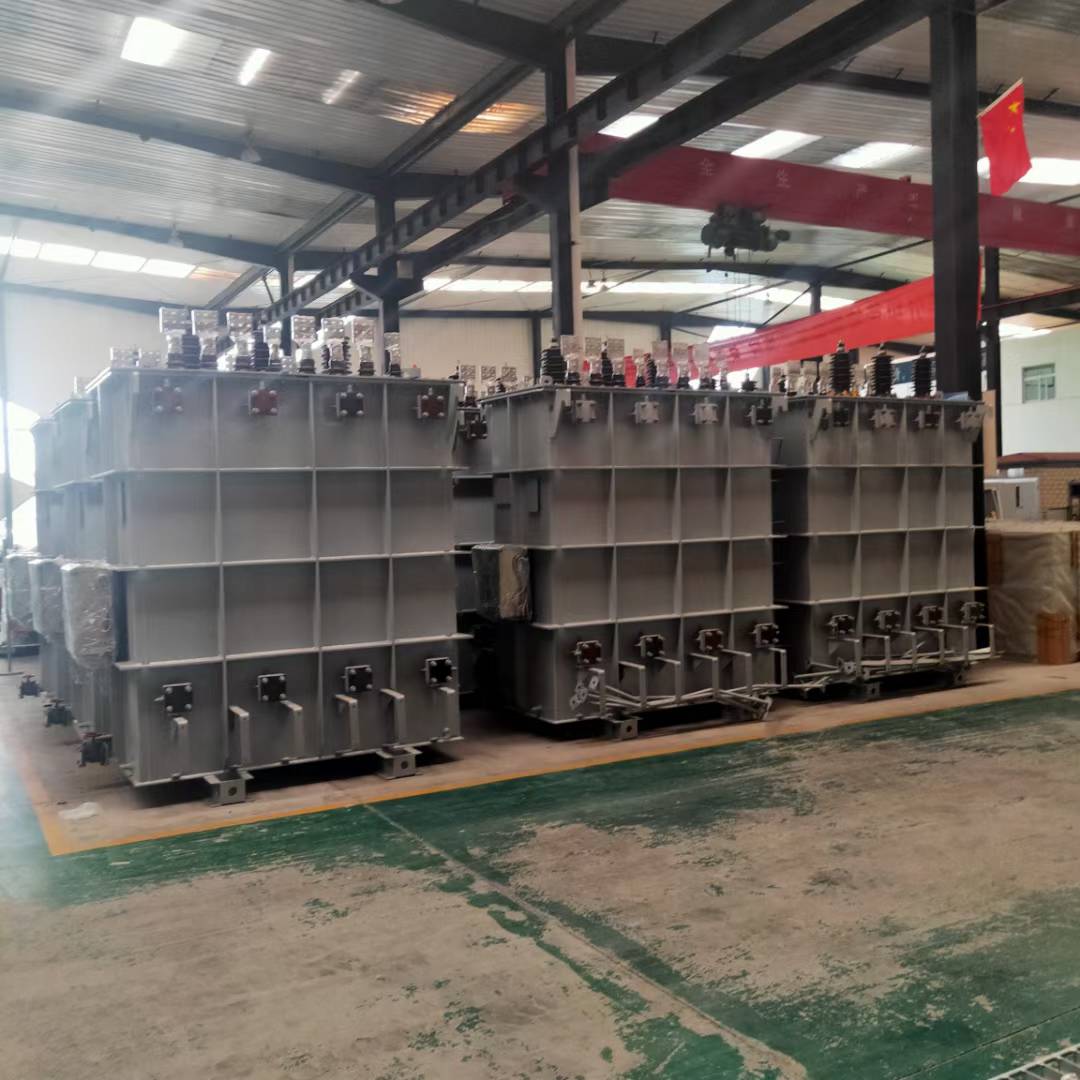
A transformer does not fix a long feeder by itself, but it holds up its end through the tap range. Rural LV runs are long, the load sits at the far end, and the voltage at the last customer is the number every design review ends up checking. The tap changer on this range is off-circuit: taps on the high-voltage winding are brought out to a changer mounted on the tank cover, and the tapping voltage is set with the supply disconnected, on a planned shutdown. That is normal practice on distribution networks - which is why the tap range has to be wide enough at the ordering stage to cover the excursions the feeder will show: the source voltage today, the far-end drop at the evening peak, and the drift expected as connections multiply. The ordering guide asks for exactly this set - rated capacity, HV/LV rated voltage and high-voltage tapping range, number of phases, frequency and connection symbol. On the network side, the measurements behind those decisions - load data, voltage data and the management of a rural secondary network - are walked through in this EEP article on the automation of secondary distribution networks in rural areas.4. OIL-IMMERSED OR DRY-TYPE ON A RURAL SITE
On a rural network the working default is oil-immersed: outdoor positions, growing load, long service intervals. The S9-S22 family covers that duty, rated up to 35 kV. Dry-type takes the positions where an oil-filled unit is unwelcome: indoor rooms, community buildings, sites where fire load or ventilation rules push back. The XIAOPAI SCB units are cast in epoxy resin, which takes the oil out of the fire question altogether, and the construction carries an operating margin worth knowing at the design stage: continuous air-cooled operation at 140% of rated load, a temperature controller that handles fault alarms, over-temperature alarms and tripping, an event recorder, and an RS485 interface when the operator wants that data centrally. The dry-type range is on the dry-type transformer page.