1. TYPE THE SWITCHGEAR FIRST
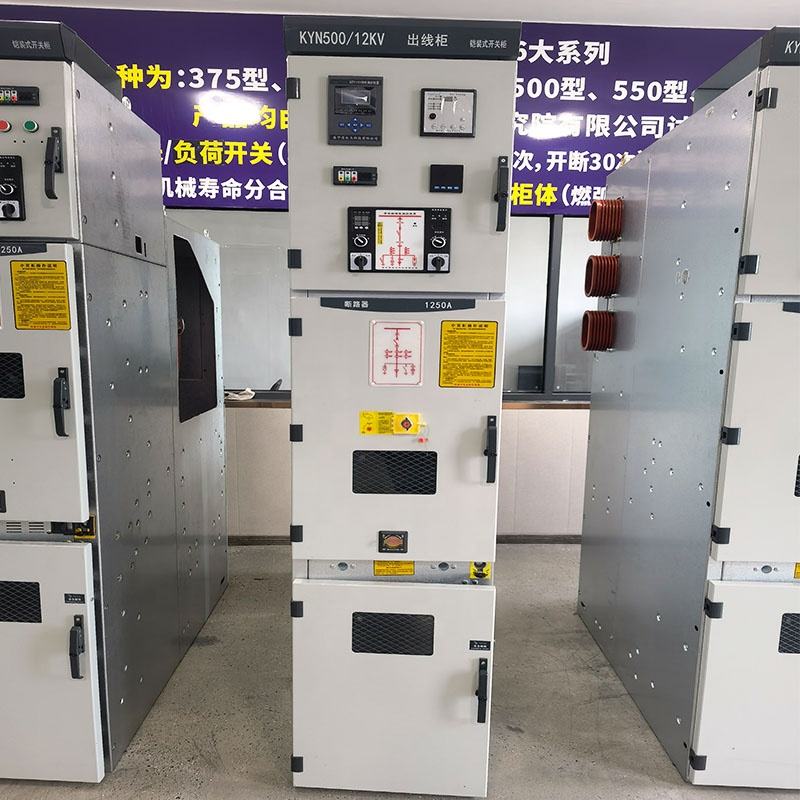
Settle the construction before anything else. XIAOPAI manufactures metal-clad and metal-enclosed panels from 12 kV to 40.5 kV, plus custom-built container-type substations, built to IEC 62271-200 for metal-enclosed switchgear and controlgear above 1 kV. A metal-clad panel divides the unit into separate compartments - busbar, switching device, cable connection and low-voltage - with earthed metal partitions between them, so a fault or a maintenance task stays inside its own compartment. How metal-clad, compartmented and cubicle construction differ, and what each one protects, is set out at IEC 62271-200 - HV switchgear and controlgear.2. PIN DOWN THE RATING
With the construction fixed, pin the rating down. The rated voltage fixes the insulation level; the rated normal current fixes the continuous load; the short-time withstand current fixes how long the panel holds a fault before the breaker clears it. On top of that, the internal arc classification (IAC) says who is protected when a fault does occur, through accessibility types A, B and C and classified sides F, L and R. Those classes and the five acceptance criteria behind the internal arc test are defined at installation guidelines for MV metal-enclosed switchgear.
3. THE VACUUM CIRCUIT BREAKER INSIDE
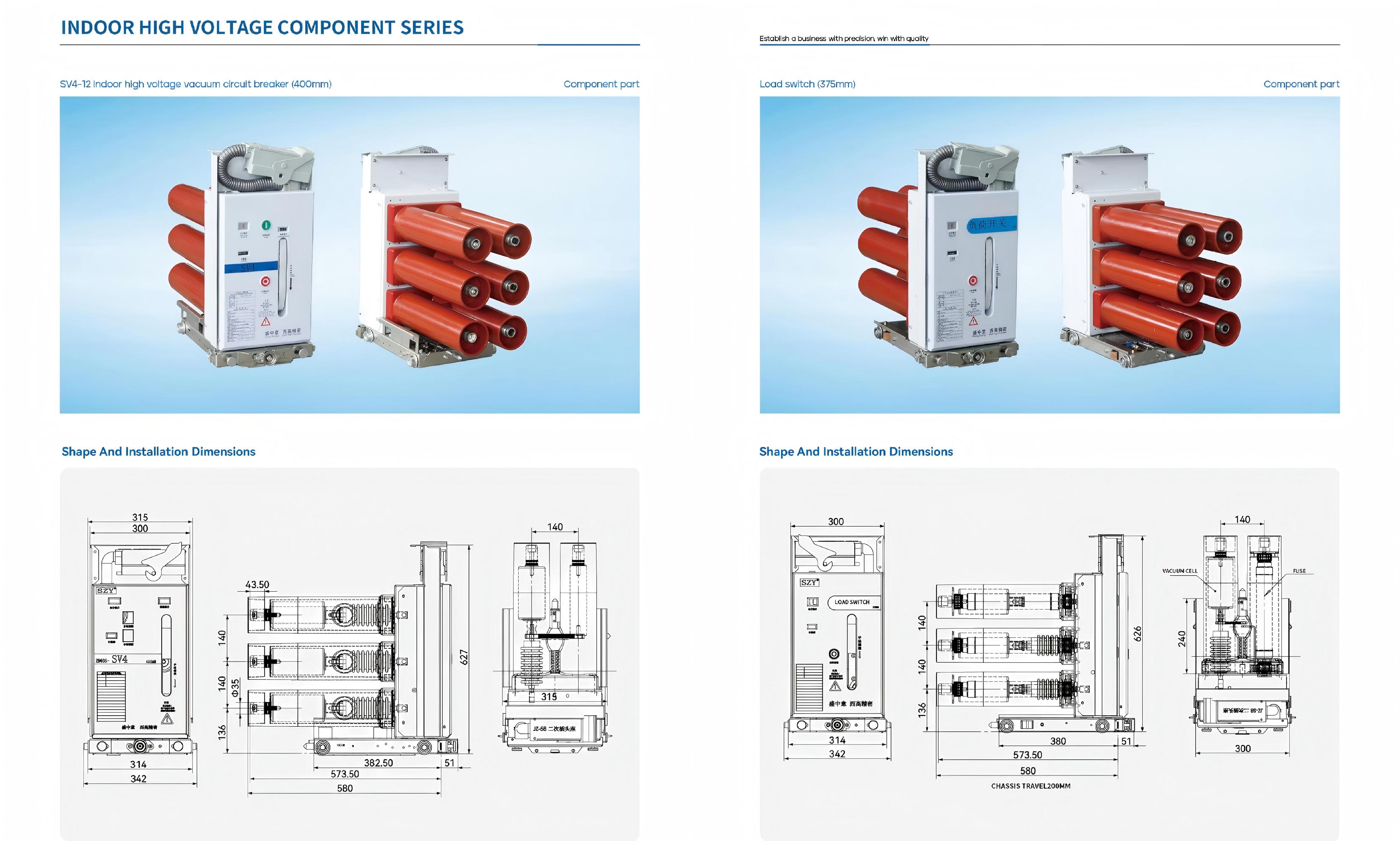
The breaker is the heart of the panel. XIAOPAI integrates VS1 and VBM7 vacuum circuit breakers built on copper-chrome contact material and embedded-pole technology, with a rated current of 630A-1250A, a breaking capacity of 20kA, 25kA or 31.5kA, a mechanical life of 10,000 operations and an electrical life up to 30 full short-circuit interruptions. They are three-phase, 50 Hz units for ambient temperatures from -15°C to +40°C and altitudes up to 1000 m. The vacuum interrupter is what lets a panel be fixed-mounted and stay low-maintenance across a long service life.4. THE TESTS THAT PROVE THE RATING
A switchgear panel earns its nameplate in the test bay, not in the brochure. Every XIAOPAI unit is short-circuit and insulation tested in the factory before we ship it, and the type tests behind the rating follow the IEC 62271-200 sequence: dielectric, temperature rise, peak and short-time withstand, switching capacity, mechanical function and degree of protection. Ask for the type and routine test reports that name the exact construction, rating and breaker model you are buying - a certificate that does not match the panel is not worth the paper.