XIAOPAI · Wenzhou Xiaopai Electric Power Technology Co., Ltd. · Zhejiang, China
Most converters do not sit down and ask whether to switch to solventless. The question arrives on a Monday, sideways. A food customer pushes back on solvent odour in a pouch, or the drying tunnel's electricity bill lands again. By then the decision is half made. The conversation worth having is the one before that Monday, when the two routes can still be compared on their own terms. That is the comparison this page makes. XIAOPAI - Wenzhou Xiaopai Electric Power Technology - supplies both routes, so we have to be honest about where each one wins, because we live with whichever one a customer chooses.WHAT SEPARATES THE TWO ROUTES
The difference is the adhesive, not the machine. A dry lamination line lays down a solvent-based adhesive, then runs the web through a heated drying tunnel to drive the solvent off before the two films are joined. A solventless line skips the solvent entirely: it applies a two-part, solvent-free adhesive at low coat weight and laminates immediately. No tunnel, no solvent to recover, no residual odour to argue about later. That one difference cascades into everything a buyer actually compares: running speed, energy, floor space, and the kind of packaging the finished laminate can safely touch.
SPEED, ENERGY AND FLOOR SPACE
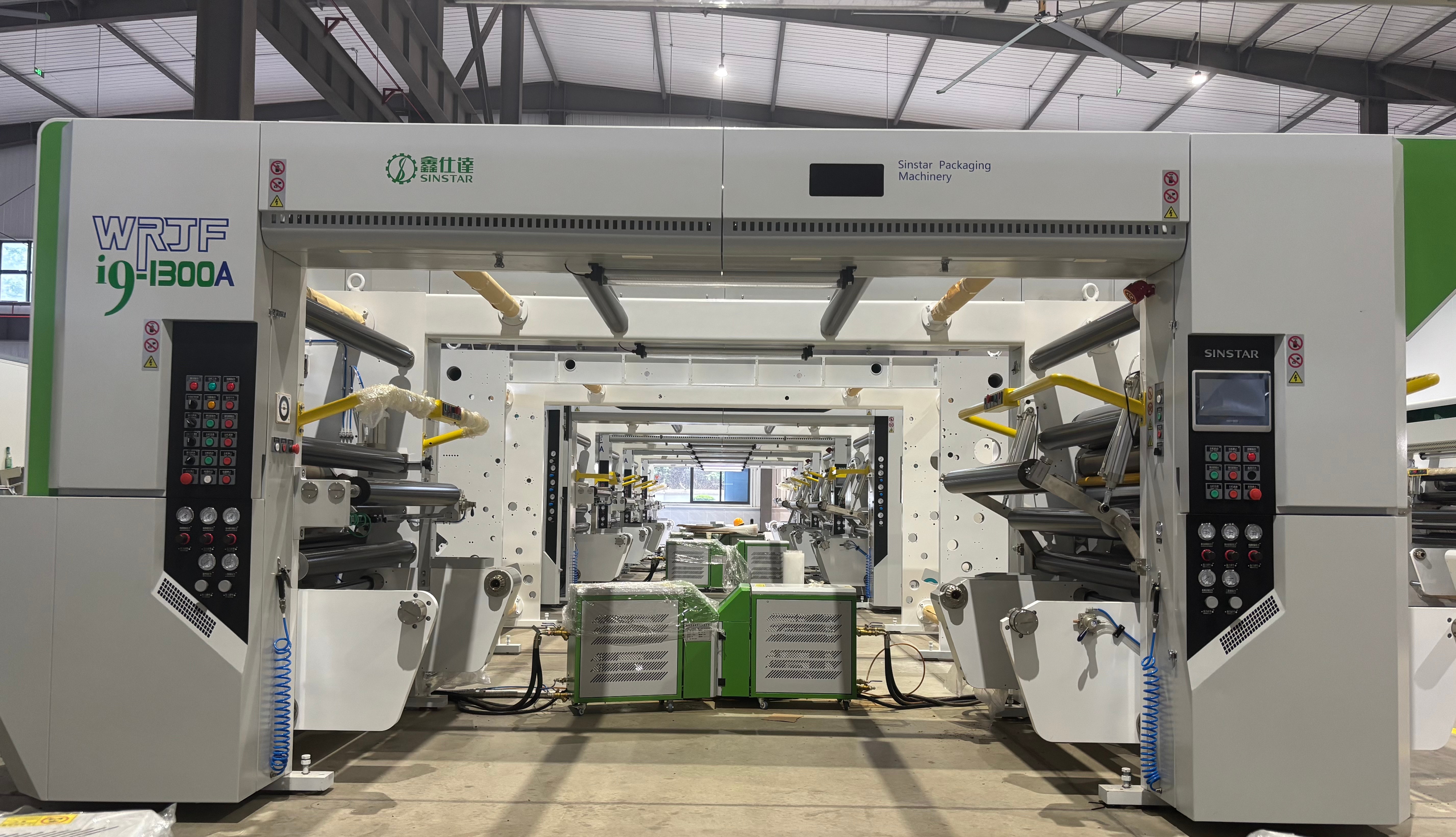
The dry route pays for its drying tunnel twice. Once in energy, because a tunnel wide enough for the web is a permanent load on the factory; and once in speed, because the line can only run as fast as the solvent can be driven off. The dry machines in this line run at working speeds in the 80 to 105 m/min range. The solventless route removes the tunnel, so the same web runs far faster. The WRJ Fi9 and the WRJ i9 both laminate at up to 450 m/min, and the S1 Digital at up to 500 m/min. On a converter running two shifts, that gap is not a specification detail. It is the difference between one line and two.WHERE DRY LAMINATION STILL WINS
It would be convenient to say solventless wins everywhere. It does not. Dry lamination keeps its place where the adhesive itself does a job the solvent-free route cannot match as easily: certain high-barrier or aggressive-ink structures, and jobs where a converter has spent years tuning a solvent-based adhesive and does not want to requalify it. Change has a cost. For a plant whose market accepts the solvent-based laminate, that cost may not pay back, and the honest answer to "should I switch" is sometimes "not yet."WHERE SOLVENTLESS TAKES OVER
Solventless earns its keep where the solvent is the problem. Food, pharmaceutical and infant packaging, where odour and migration are audited rather than assumed. Export markets where a buyer's specification lists residual-solvent limits. And high-volume jobs where the speed difference compounds across a year. On the S1 Digital, the adhesive is proportioned automatically with a four-level protection mechanism and coating weight is set by one-click input - the two controls that keep a solventless line honest at 500 m/min.
WHO MAKES WHAT - READ THIS BEFORE YOU BUY
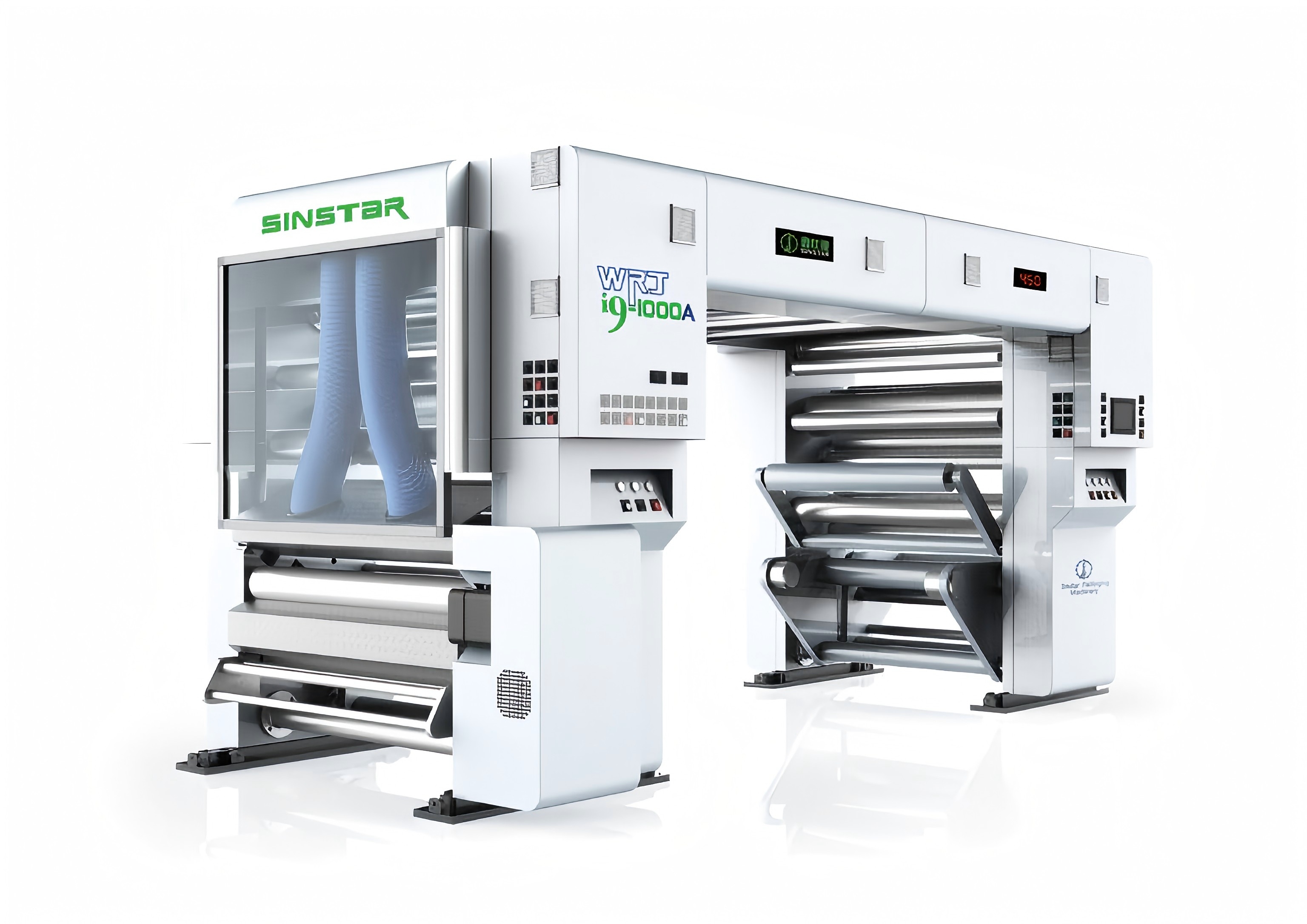
Here the two routes diverge in a way that matters to the buying decision. The solventless machines - the WRJ Fi9, the WRJ i9 and the S1 Digital - are supplied by XIAOPAI as an authorized global distributor of SINSTAR, a manufacturer established in 2005 with 2,680 units shipped to 38 countries and holding CE and ISO9001 certification. That is a distribution relationship, and it is stated as such. The dry laminating machines - the XPM-1100J and the XPM-1080RN - are supplied by XIAOPAI, which works with long-established Chinese manufacturers. XIAOPAI does not build the dry machines in its own factory, and this page does not claim otherwise. Both routes come with one point of accountability. Which badge is on the machine depends on which route you buy. That sentence is worth reading twice when two quotations sit side by side.THE QUESTIONS THAT DECIDE
Four questions settle the route faster than any brochure. What does the customer audit - odour and residual solvent, or bond strength alone. If it is the former, solventless is usually where the conversation ends. What volume runs each month - at 80 m/min versus 450 m/min, the same month's output needs a different number of shifts and a different number of machines. What is the energy and footprint budget - the drying tunnel is a permanent cost, not a line item. Who supplies and supports the machine - and under which relationship. Ask for it in writing; the answer should match what this page states. For the industry picture behind both routes, the Flexible Packaging Association tracks the solventless shift across the sector, including its state of the industry reporting.ONE LINEXIAOPAI - Wenzhou Xiaopai Electric Power Technology supplies both dry and solventless lamination. Solventless machines (WRJ Fi9, WRJ i9, S1 Digital) are distributed under SINSTAR authorization; dry machines (XPM-1100J, XPM-1080RN) are supplied working with long-established Chinese manufacturers. Solventless laminating machine:
https://www.cnxiaopai.com/sys-pd/26.html


