XIAOPAI · Wenzhou Xiaopai Electric Power Technology Co., Ltd. · Zhejiang, China
A transformer that clears customs in China does not automatically clear it in São Paulo or Durban. Every destination sits on top of the base standard with its own certification regime, its own frequency and voltage, and its own local holder of the certificate. The base standard is the same almost everywhere; the layer above it is not.
ONE STANDARD, THREE REGIMES
For power transformers the base standard is IEC 60076, adopted in over one hundred countries and split into parts: IEC 60076-11 for dry-type transformers and IEC 60076-13 for self-protected liquid-filled units, among others. China's own GB 1094 tracks the IEC family closely, which is why a transformer built and tested in China can be specified against IEC 60076 without re-engineering. On top of that base sit three different regimes. South America largely works from the IEC family with local differences written over it. Southern Africa runs a two-part system of an authority letter and a compliance certificate. East Africa uses a pre-export verification route where the conformity check happens before the goods are shipped. A supplier who cannot say which regime the destination sits under has not yet started the export paperwork.THE BASE STANDARD IS IEC 60076
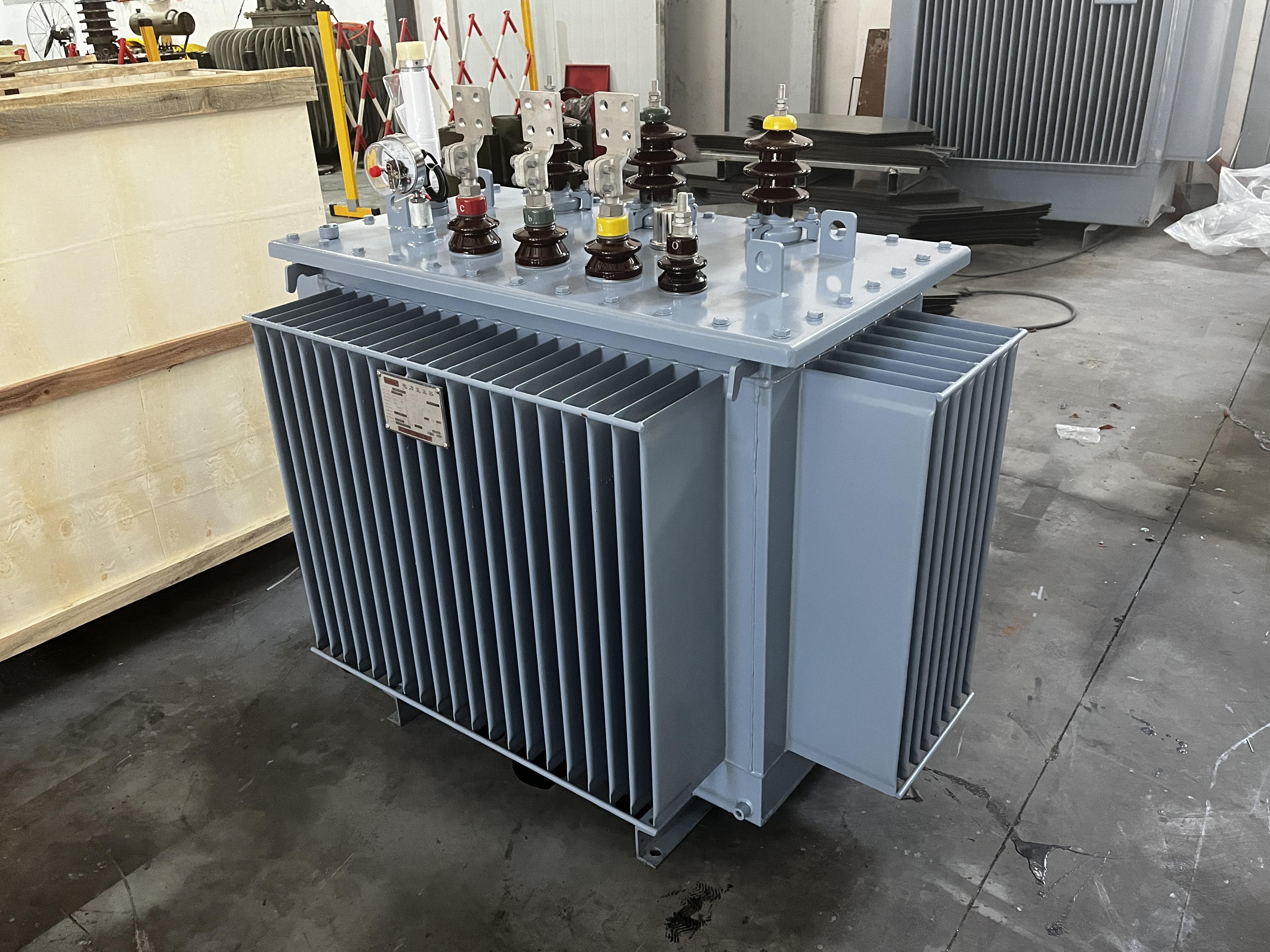
The specification the standard sets is the same discipline everywhere: voltage and power rating, ambient temperature, cooling method and temperature rise limits, insulation levels and dielectric tests, and short-circuit withstand. Getting the base right matters because the destination regimes verify against it. The full specification framework is laid out in the compliance guide at Electrical Engineering Portal, which walks through how IEC 60076 defines each of those parameters for both oil-immersed and dry-type machines. XIAOPAI's transformer ranges already reference this family. The technical files for both the oil-immersed transformer and the dry-type transformer ranges have been assessed against the European harmonised versions of the same standards, with EN 60076-1, EN 60076-13 and EN IEC 60076-11 among the reference standards, under the LVD and EMC directives.SOUTH AMERICA: IEC WITH LOCAL DIFFERENCES
Brazil is the volume market and the regime that most buyers meet first. Certification runs through INMETRO, the national metrology and quality institute, and the technical standards are the NBR family that sits on top of IEC. The differences are not cosmetic: Brazil runs at 60Hz and its nominal low-voltage system is 127V/220V, so a transformer specified for a Brazilian site needs the frequency, the tap range and the temperature rise checked against those values rather than against a 50Hz assumption. Two practical points matter more than the standard name. First, an INMETRO certificate is typically held by a Brazilian entity, so the overseas manufacturer works through a local certificate holder. Second, the regime includes factory surveillance, so the manufacturing site itself has to be prepared for inspection, not just the paperwork. A quotation should name the applicable regulation and who holds the certificate.AFRICA: THE COC AND PVOC ROUTE
Africa is not one regime. Southern Africa, led by South Africa, runs a two-part system: the NRCS LOA (a letter of authority for safety, issued against SANS-IEC standards) plus the SABS EMC CoC for electromagnetic compatibility, with the voluntary SABS mark on top for buyers who want the factory-audited level. East African markets such as Kenya and Tanzania use PVoC, a pre-export verification of conformity where an authorised body checks the goods and the documentation before shipment and issues a certificate per consignment. The difference is when the verification happens. The southern African route is a product-level approval held before the order ships; the eastern African route is a shipment-level check tied to a specific consignment. Both are in addition to the IEC 60076 base, not a replacement for it.WHAT XIAOPAI BRINGS TO THE TABLE
XIAOPAI - Wenzhou Xiaopai Electric Power Technology - manufactures the oil-immersed and dry-type transformers in Zhejiang, China, with the design files referencing the EN 60076 series and the electromagnetic standards, assessed under the LVD and EMC directives to May 2031. That is the base layer the destination regimes build on. What is true of the base layer is worth saying plainly: the European-conformity file does not automatically open a Brazilian or South African border. The destination's own certificate, its local holder and any pre-shipment verification are separate asks, and a supplier should be able to lay out which of them the order needs. XIAOPAI lays that map out case by case, because the regime differs from São Paulo to Durban to Nairobi. The broader IEC 60076 framework that both the file and the destination regimes reference is covered in more depth at EEP - Electrical Engineering Portal.WHAT TO ASK BEFORE THE ORDER
Four questions settle the standard map for a transformer going to South America or Africa. Which destination regime applies — INMETRO with a local holder for Brazil, NRCS LOA plus SABS EMC CoC for South Africa, or PVoC per consignment for East Africa. Name it in the contract. What is the local frequency and voltage, and has the design been checked against it. A 60Hz or 127/220V system changes the tap range and the temperature rise, not just the label. Which certificate does the manufacturer hold, and which must the buyer arrange locally. The split between the product file and the local certificate holder should be explicit. Does the destination require factory surveillance or a pre-shipment check, and who schedules it. The southern African and eastern African routes answer this differently.


