XIAOPAI · Wenzhou Xiaopai Electric Power Technology Co., Ltd. · Zhejiang, China
Two words appear on every transformer quotation and mean completely different things: type test and routine test. Buyers who read them as the same thing either pay twice for testing that was never done, or accept a unit that was never verified. The difference is simple, and it decides what each document in the order actually proves.
TWO TESTS, TWO PURPOSES
A type test proves the design. It is done once for a given design, to demonstrate that the construction withstands the stresses the standard says it must: the temperature rise at rated load, the lightning impulse on the terminals, the mechanical and thermal stress of a short circuit on the winding. Pass it once, and every unit built to that design inherits the result. A routine test proves the unit. It is done on every single machine before it leaves the factory, because two transformers built to the same design are not automatically the same transformer. The routine set checks the ratio, the winding resistance, the insulation, the applied voltage and the losses of the specific unit that is about to be shipped. The first is about the drawing. The second is about the serial number on the nameplate. A quotation that says "type tested" without saying which design and which standard is answering a question nobody asked.WHAT THE STANDARDS ACTUALLY SAY
The reference standards matter because they name the tests. For power transformers the governing family is IEC 60076, and the European harmonised versions are the EN 60076 series: EN 60076-1 for general requirements, EN 60076-13 for self-protected liquid-filled transformers, and EN IEC 60076-11 specifically for dry-type transformers. A type test against EN 60076-1 and a type test against EN IEC 60076-11 are not the same test, because a dry-type winding fails differently from an oil-immersed one. The same logic applies to the electromagnetic side. Emission and immunity are covered by EN IEC 61000-6-3 and EN IEC 61000-6-1 respectively, and the low-voltage safety requirements by the LVD. A transformer destined for a European substation should be able to show all of these on paper, referenced to the exact standard edition. The wider reading on how these standards translate into factory practice is collected at EEP - Electrical Engineering Portal, which covers the transformer family across substation topics.
WHAT THE CERTIFICATE COVERS — AND WHAT IT DOES NOT
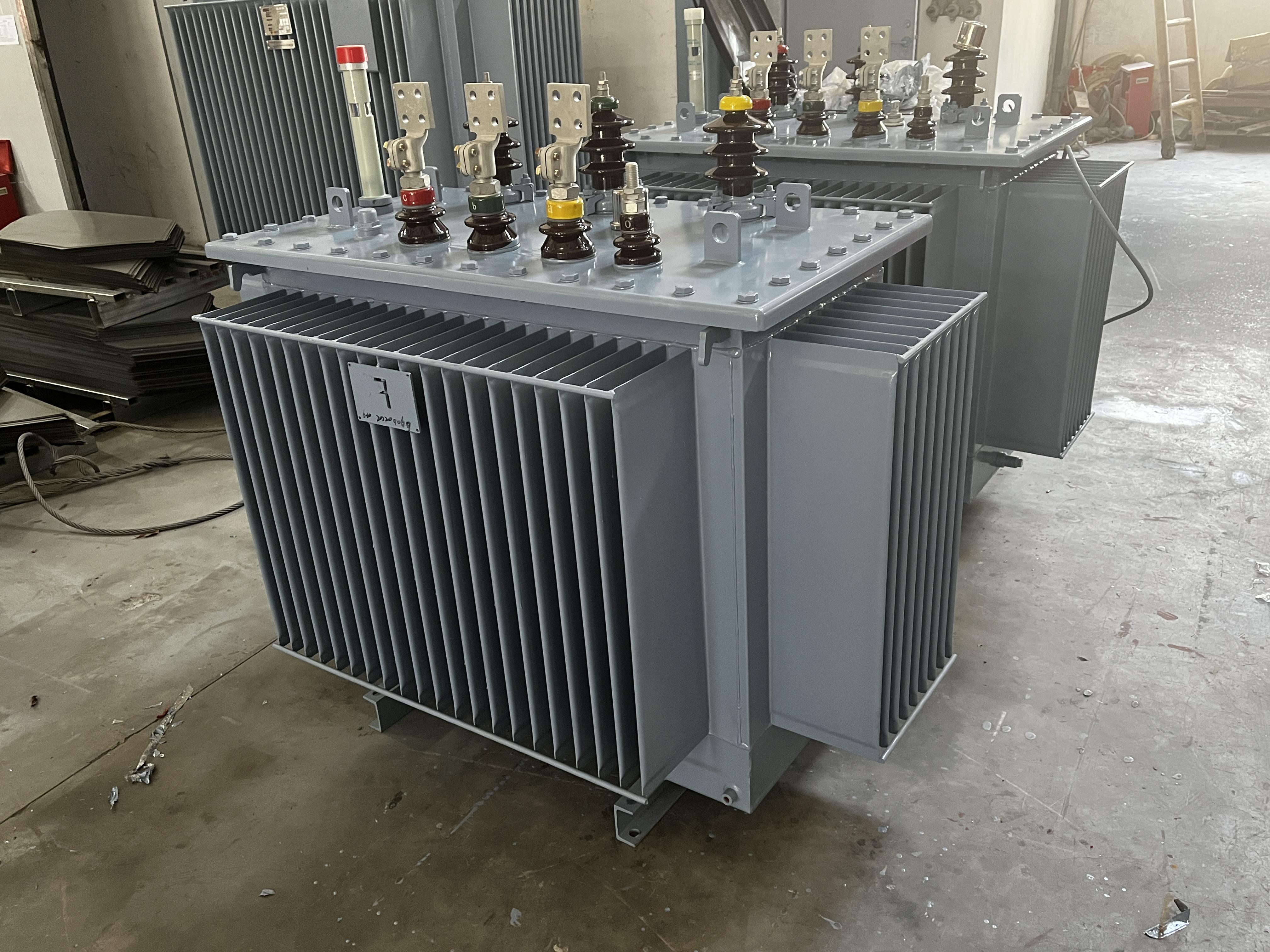
XIAOPAI's transformer ranges have been through this paper trail. The technical files for both the oil-immersed range and the dry-type transformer range have been assessed by INTERTURK against the Low Voltage Directive 2014/35/EU and the EMC Directive 2014/30/EU, with EN 60076-1, EN 60076-13 and EN IEC 60076-11 among the reference standards, valid to May 2031. Read what that document is. It is an attestation of compliance issued on the basis of the technical documentation: it confirms that the file declares conformance with the directives listed. What it is not is a type test report. The attestation itself says the manufacturer retains the obligation to issue the declaration of conformity. A buyer who needs witnessed type tests on a specific unit asks for those separately, and a supplier who cannot produce the underlying test reports for the design has a file, not a verification. This distinction is not a weakness of the certificate. It is how the system works: the design is verified through the file and the standards it references, and the individual unit is verified through the routine tests at the factory.THE ROUTINE TEST IS THE ONE YOU WITNESS
For a buyer, the routine test is where the value sits, because it happens to the unit you are actually buying. Ratio, winding resistance, insulation resistance, applied voltage withstand and the loss measurements are run on every transformer before dispatch, and a buyer or third party can witness them. The same split exists on the switching side. On the vacuum circuit breaker range XIAOPAI manufactures, the VS1 and VBM7 are published with a mechanical life of 10,000 operations and breaking capacities of 20/25/31.5kA at 12kV. Those figures come from design verification; the routine checks on each breaker confirm the mechanism and the main circuit before it ships. The industry's testing procedures for power transformers are documented in depth at Electrical Engineering Portal, and they are worth reading before agreeing a witness test list.WHAT TO ASK BEFORE THE ORDER
Four questions sort a verified package from a quoted one. Which standard edition does the design verification reference — EN 60076-1 for the oil range, EN IEC 60076-11 for the dry range, and which edition year. A standard without an edition is a claim without a basis. Which tests were done on the design, and are the reports available. The technical file should hold them; ask to see the list, not the certificate cover page. Which routine tests run on every unit, and can they be witnessed. This is the test that applies to the serial number you are buying. What does the attestation cover, and what does the manufacturer declare separately. The attestation covers the directives and standards listed on it. The declaration of conformity is the manufacturer's own, and it should name the same standards.WHAT XIAOPAI MANUFACTURES
XIAOPAI - Wenzhou Xiaopai Electric Power Technology - manufactures the oil-immersed transformers, the dry-type range and the vacuum circuit breakers that these verifications attach to, in Zhejiang, China. The design files for both transformer ranges reference the EN 60076 series and the EMC standards described above, and the breaker range publishes its mechanical life and breaking capacities as design figures. A quotation that separates the type test from the routine test, names the standard editions and offers the routine tests for witness can be compared against another one on evidence. That is the comparison that survives contact with a substation project.


